Use the map as a record
Look for doors, passages and rooms that suggest an unfinished route. A visible obstacle can be a reminder to return later rather than a puzzle your current equipment must solve immediately.
After an upgrade, revisit the nearby spaces that match its function. That is usually more productive than wandering through the entire map without a question.

Learn movement in safe rooms
Practice aiming, sliding and newly introduced actions before needing them during a chase or boss pattern. Movement habits make combat more readable because you can focus on the enemy instead of remembering the input.
Watch attacks before committing
A boss fight teaches timing through repeated patterns. Use a first attempt to identify safe movement and openings, then add damage when you understand the sequence. Running directly into the same attack is not a reason to fire faster.
The melee counter has timing and opportunity requirements. Do not treat it as a universal shield against every threat.
E.M.M.I. areas ask for another rhythm
Read the area’s detection and escape systems and use the intended tools when they become available. A dangerous zone is not an ordinary room you can clear by exchanging hits.
If you are lost, check the newest ability, nearby unexplored connections and the doors already marked on the map. A spoiler-heavy walkthrough can wait until those clues stop giving you a useful next step.
This page avoids item locations and story spoilers. It provides exploration habits rather than claiming a full completion route or precise combat timing tests.
Sources & update notes
- metroid — Nintendo USSource checked 2026-10-18 · Archived primary-source text
View the research record
The references below support the scoped mechanics or platform information. Examples and practical explanations are original PlayKORE writing.
Coverage: Source-researched explanation; no hands-on game or installation test claimed.
Reader question: Metroid Dread: how to explore without a waypoint
Version and region: US English; specific games, generations and other regions are labeled in the article.
- Source supports the game/version or platform described; practical planning advice and examples are PlayKORE’s own explanation.
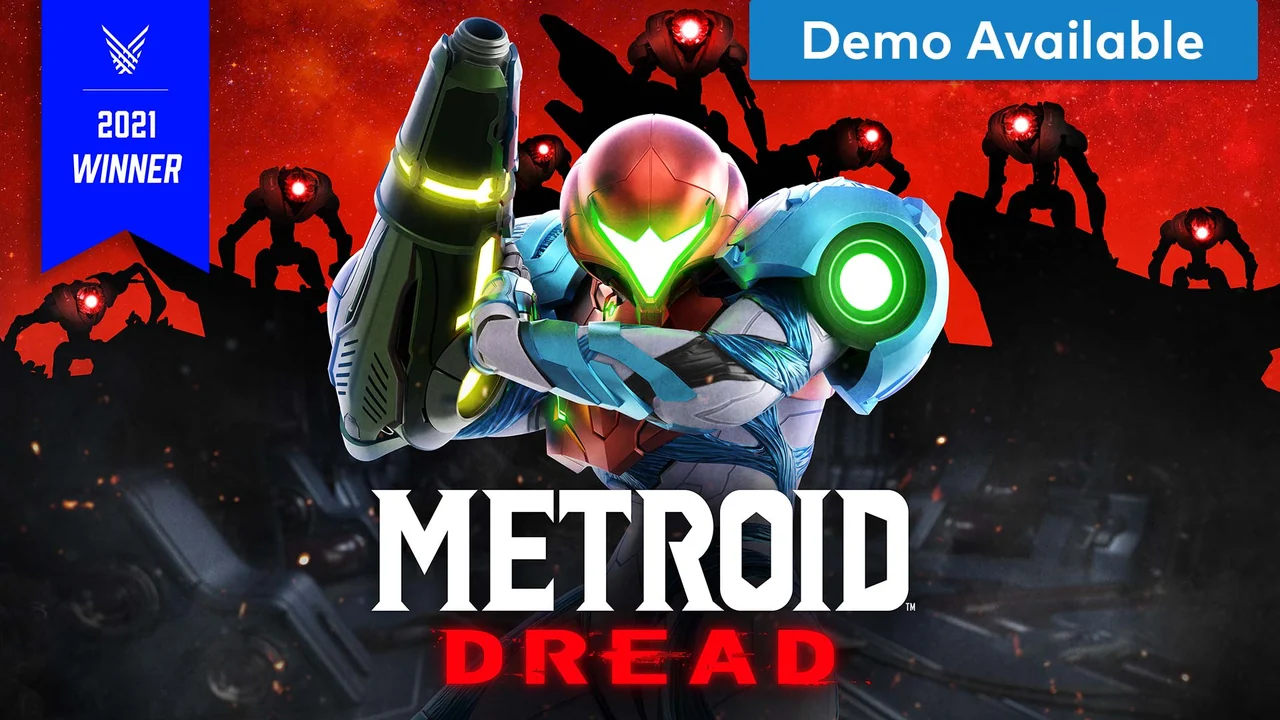
Images: Publisher promotional image. Official source and image credit. Copyright remains with the credited publisher and developers. Supporting diagrams are original PlayKORE graphics.
Record: Published 2026-10-18; last substantive update 2026-10-18; source check 2026-10-18.